Is the appliance electric, gas, or dual-fuel?
The answer determines who should disconnect it. Unplugging a freestanding electric range can be different from releasing a hardwired wall oven. Gas and unfamiliar electrical connections call for qualified service before the hauler arrives.
Is it freestanding or built in?
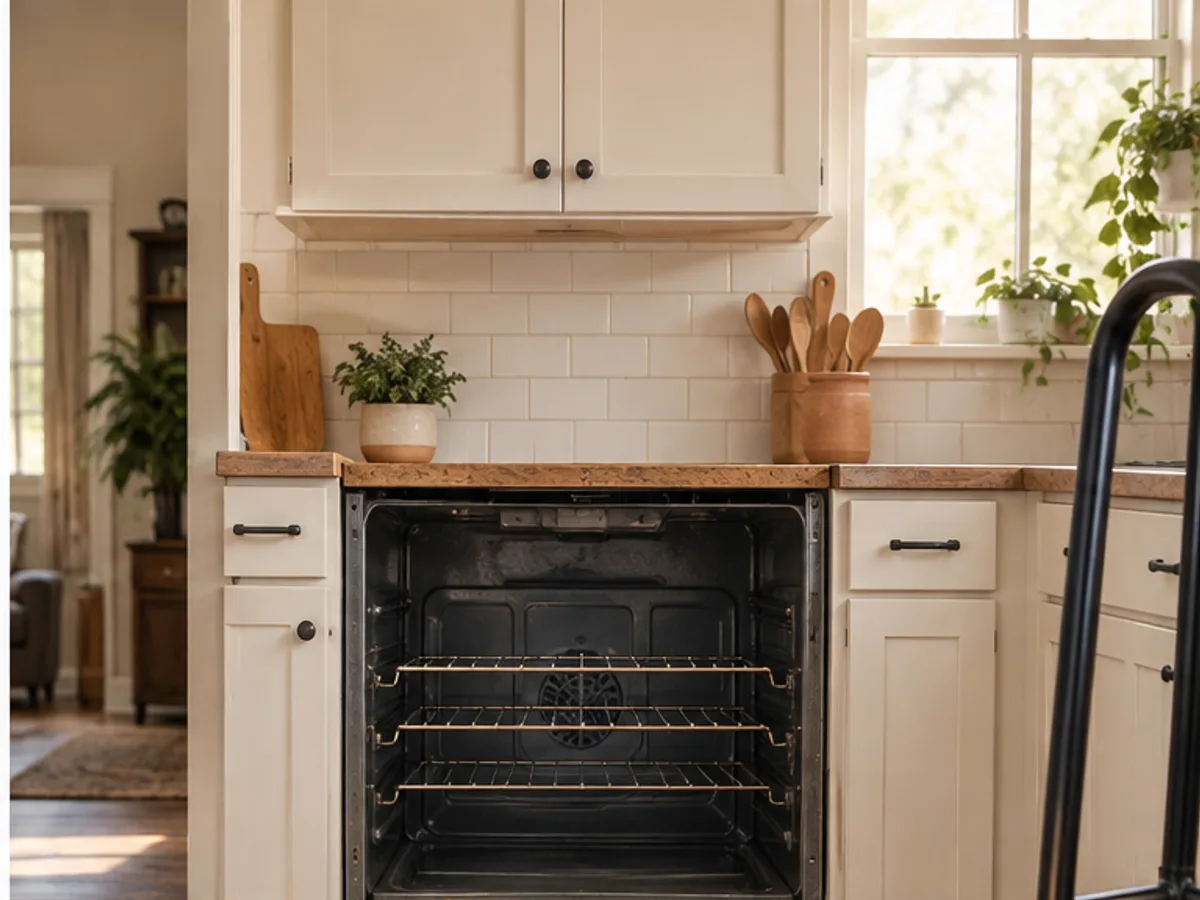
A freestanding range may slide out after disconnection. Wall ovens and some cooktops are fastened to cabinetry or counters. Confirm that mounting screws, trim, and brackets will be released without damaging surrounding finishes.
Is it fully cool and empty?
Remove pans, racks, probes, and loose trim. Clean up grease or spills that could make the unit hard to grip. Let every surface cool before anyone attempts to move it.
Can it clear the route?
Measure the appliance and the narrowest doorway. Check island corners, cabinet handles, floor transitions, and steps. If a replacement is arriving the same day, keep the outgoing and incoming paths from blocking each other.
What condition should be reported?
Mention broken glass, sharp metal, severe rust, missing feet, or a door that will not stay closed. These details can change the equipment and handling plan. Do not tape over active heat or unknown connections.
Your ready-for-removal checklist
- Fuel type identified
- Qualified disconnection arranged
- Cabinet fasteners released
- Unit cool and empty
- Loose parts secured
- Route measured
Sources and limits
Safety boundaries in this guide draw on U.S. Environmental Protection Agency refrigerant guidance and appliance-specific preparation principles. Follow the appliance manufacturer’s instructions and use qualified trades for gas, hardwired electrical, plumbing, or refrigerant work. Local collection rules change; check the responsible city or county before set-out.